 Skip to content
 Mandala Beginner Guide Book: A Simple, Step-by-Step Path to Creating Your First Beautiful Mandalas
Recent Blog


Mandalas have long been recognized…

Mandala art has quietly become…
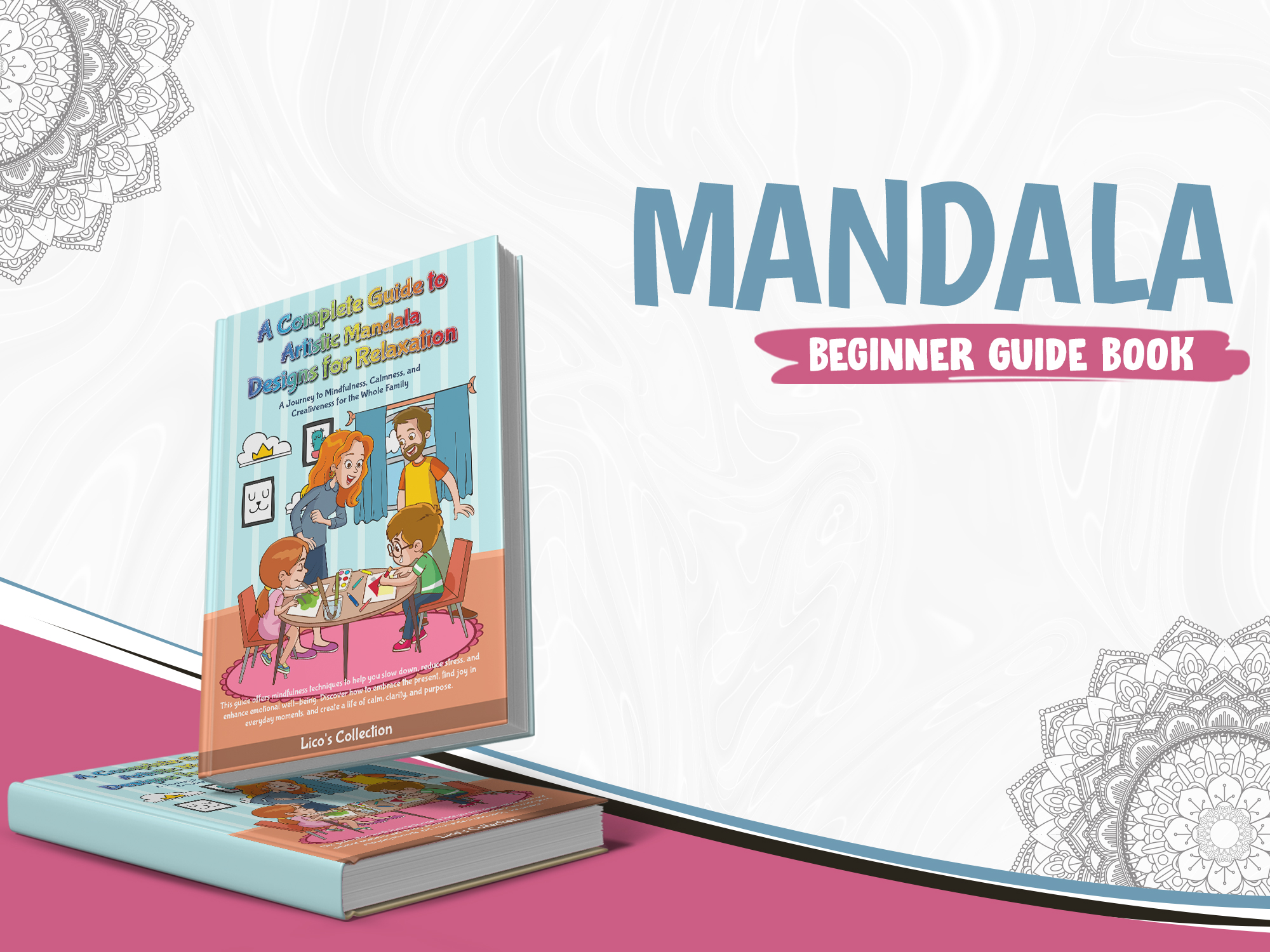
The growing interest in mindfulness, creativity, and stress relief has brought mandala art into the spotlight. Across families, classrooms, and personal wellness routines, mandalas are now recognized as more than decorative designs—they are tools for calm, focus, and emotional balance. A mandala beginner guide book serves as an ideal starting point for anyone curious about this ancient art form but unsure where to begin. Rooted in the philosophy and approach reflected in Lico’s Collection, this guide explores mandala art from the ground up, blending creativity, mindfulness, and accessible learning for all ages.
A well-structured mandala book introduces the reader to mandalas in a gentle, non-intimidating way. Instead of demanding artistic perfection, it emphasizes process, presence, and personal expression. Whether you are a complete beginner, a parent guiding a child, or an adult seeking stress relief, mandala art offers a meaningful and rewarding creative journey.
What Is a Mandala?
A mandala is a circular design made up of repeating shapes, patterns, and symbols that radiate outward from a central point. The word “mandala” originates from Sanskrit and roughly translates to “circle” or “center.” Traditionally, mandalas symbolize unity, balance, and wholeness.
In a mandala guide book, mandalas are presented not just as artistic designs but as visual representations of harmony and order. Their symmetry naturally draws the mind inward, helping individuals slow down, focus, and engage with the present moment. This is why mandalas are commonly associated with meditation and mindfulness practices.
The History and Cultural Roots of Mandala Art
Understanding the history of mandalas adds depth to the creative experience. Mandalas have been used for centuries in Hindu and Buddhist traditions as spiritual tools. Monks often created intricate mandalas using sand, dedicating hours or even days to their completion, only to dismantle them afterward. This act symbolized impermanence and detachment.
A thoughtfully written mandala beginner guide book introduces this history in a simple and respectful way, allowing beginners to appreciate the cultural significance without feeling overwhelmed. Over time, mandalas moved beyond spiritual spaces and entered modern psychology, art therapy, and education. Carl Jung famously used mandalas as a method for self-exploration and emotional healing, reinforcing their psychological value.
Today, mandalas are widely embraced as creative tools for relaxation, learning, and self-expression, aligning perfectly with the philosophy behind Lico’s Collection.
Why Mandalas Are Useful for Mindfulness and Well-Being
Mandalas are especially effective for mindfulness because they combine structure with creative freedom. The circular format provides a sense of safety and balance, while the patterns allow for endless variation. A mandala book often highlights how mandala art supports:
- Stress reduction through repetitive motion
- Improved focus and concentration
- Emotional regulation and self-awareness
- Creative confidence without pressure
- Screen-free relaxation for families
Coloring or drawing mandalas activates both sides of the brain, blending logic and creativity. This balanced engagement helps quiet racing thoughts and brings a sense of calm, making mandalas a powerful tool for mental and emotional wellness.
Readers are encouraged to explore our blog for more guidance on Lico’s Collection books: “Complete Mandala Guide Book: The Ultimate Handbook for Mandala History, Symbolism, Art & Techniques.”
Mandala Drawing vs. Mandala Coloring: What’s the Difference?
One important topic covered in a mandala beginner guide book is the difference between drawing mandalas and coloring them. Both approaches are valuable, but they serve slightly different purposes.
Mandala Drawing
Drawing mandalas involves creating patterns from scratch. This process builds:
- Creativity and imagination
- Spatial awareness
- Patience and problem-solving skills
Beginners often start with simple geometric shapes, gradually building outward from the center. Drawing mandalas is ideal for those who enjoy designing and exploring structure.
Mandala Coloring
Coloring mandalas focuses more on relaxation and mindfulness. Using a beginner mandala art coloring book, individuals can enjoy the calming benefits without worrying about design. Coloring is especially helpful for:
- Stress relief
- Emotional expression
- Younger children or first-time beginners
Many guides inspired by Lico’s Collection encourage starting with coloring and gradually transitioning into drawing as confidence grows.
Step-by-Step: How Beginners Can Start Creating Mandalas
A high-quality mandala guidebook breaks the process into manageable steps so anyone can follow along comfortably.
Step 1: Create a Calm Space
Choose a quiet, comfortable environment with minimal distractions. This aligns with the mindful approach emphasized throughout Lico’s Collection.
Step 2: Gather Simple Materials
Beginners only need basic tools:
- Paper
- Pencil
- Eraser
- Compass or round object
- Coloring pencils or markers
This simplicity reinforces the idea that mandala art is accessible to everyone.
Step 3: Start with a Center Point
Draw a small dot in the middle of your page. This represents focus and intention, a concept commonly explained in a mandala guide book for beginners.
Step 4: Build Circular Guidelines
Using a compass or template, draw light concentric circles. These act as guides for your patterns.
Step 5: Add Simple Patterns
Begin filling sections with basic shapes like dots, lines, petals, or triangles. Repetition is key.
Step 6: Color with Intention
Choose colors based on mood or intuition. There is no right or wrong—this freedom is central to mandala practice.
Unique Patterns and Creative Exploration
One of the most engaging aspects of mandala art is the endless variety of patterns. A mandala art book for beginners often introduces pattern categories such as:
- Geometric designs
- Floral and nature-inspired shapes
- Abstract and symbolic motifs
These patterns help beginners explore structure while still allowing personal interpretation. Over time, creating unique patterns builds creative confidence and a deeper connection to the art.
If you are color and pattern lovers, you should read our blog for more insights: “Creative Mandala Designs Coloring Book: Inspiring, Fresh & Unique Patterns for Color Lovers.”
Mandalas as a Form of Meditation
Mandalas naturally support meditative practice. The repetitive motion of drawing or coloring encourages slow breathing and focused attention. Many mindfulness experts consider mandala creation a form of active meditation.
A well-designed mandala beginner guide book explains meditation in a practical, non-intimidating way. Instead of formal techniques, it encourages simply being present with the process—observing colors, shapes, and sensations without judgment.
This approach makes meditation accessible to children, teens, and adults alike.
Healing Through Mandala Art
Mandala art is widely used in art therapy and emotional healing. The circular structure offers a sense of containment, which can feel comforting during stressful or emotional times. Practices inspired by Lico’s Collection emphasize that mandalas help with:
- Emotional release
- Anxiety reduction
- Improved mood
- Self-reflection
Color choices and pattern repetition often reflect internal emotions, allowing expression without words. This makes mandalas especially helpful for children or individuals who struggle to articulate feelings.
Visit our blog for more insights on this topic: “Best Books About Mandalas: Top Reads for Meditation, Art, Healing & Mindfulness.”
Mandalas for Families and Education
One of the defining philosophies behind Lico’s Collection is inclusivity. Mandalas are designed for shared experiences across generations. A mandala guide book often includes ideas for:
- Family coloring sessions
- Educational pattern recognition
- Cultural learning through mandala history
- Collaborative projects
These activities strengthen family bonds while promoting creativity and mindfulness in a screen-free environment.
Choosing the Best Mandala Guide for Beginners
When selecting the best mandala guide book for beginner, look for qualities such as:
- Clear step-by-step explanations
- Simple language and welcoming tone
- Age-inclusive guidance
- Focus on mindfulness, not perfection
- Balance between drawing and coloring
Books aligned with Lico’s Collection stand out because they prioritize emotional well-being, creativity, and accessibility over technical complexity
Why Mandalas Help Relieve Stress
Stress relief is one of the most widely recognized benefits of mandala art. The structured repetition calms the nervous system, while creative choice restores a sense of control.
A thoughtfully written mandala beginner guide book explains stress relief as a natural outcome rather than a forced goal. As the mind focuses on shapes and colors, worries gently fade into the background. Over time, regular mandala practice can become a reliable self-care ritual.
For more insights on soothing design patterns that can calm your stress, see our blog “Stress Relief Mandala Coloring Book for Adults: Transform Your Stress Into Calm With Soothing Designs.”
Mandala Art as a Lifelong Practice
Mandala art grows with the individual. Beginners may start with simple coloring, while experienced artists develop complex designs and personal styles. This adaptability is what makes mandalas so powerful.
A mandala guidebook encourages progress without pressure, reminding readers that the value lies in the journey, not the final result. This philosophy aligns seamlessly with the mindful, family-centered approach found throughout Lico’s Collection.
Final Thoughts
Mandalas offer a unique blend of creativity, mindfulness, and emotional well-being. Whether through drawing, coloring, meditation, or shared family experiences, they provide a gentle pathway to calm and focus.
A thoughtfully designed mandala beginner guide book serves as a welcoming companion on this journey, guiding readers step by step while honoring personal expression. Inspired by the principles found in Lico’s Collection, such a guide makes mandala art accessible, meaningful, and deeply rewarding for beginners of all ages.
Through unique patterns, mindful practice, and creative exploration, mandala art becomes more than an activity—it becomes a tool for balance, healing, and lifelong creativity.
